A business case for storytelling training gets approved when it names the number the training is expected to move and the date that number gets checked again.
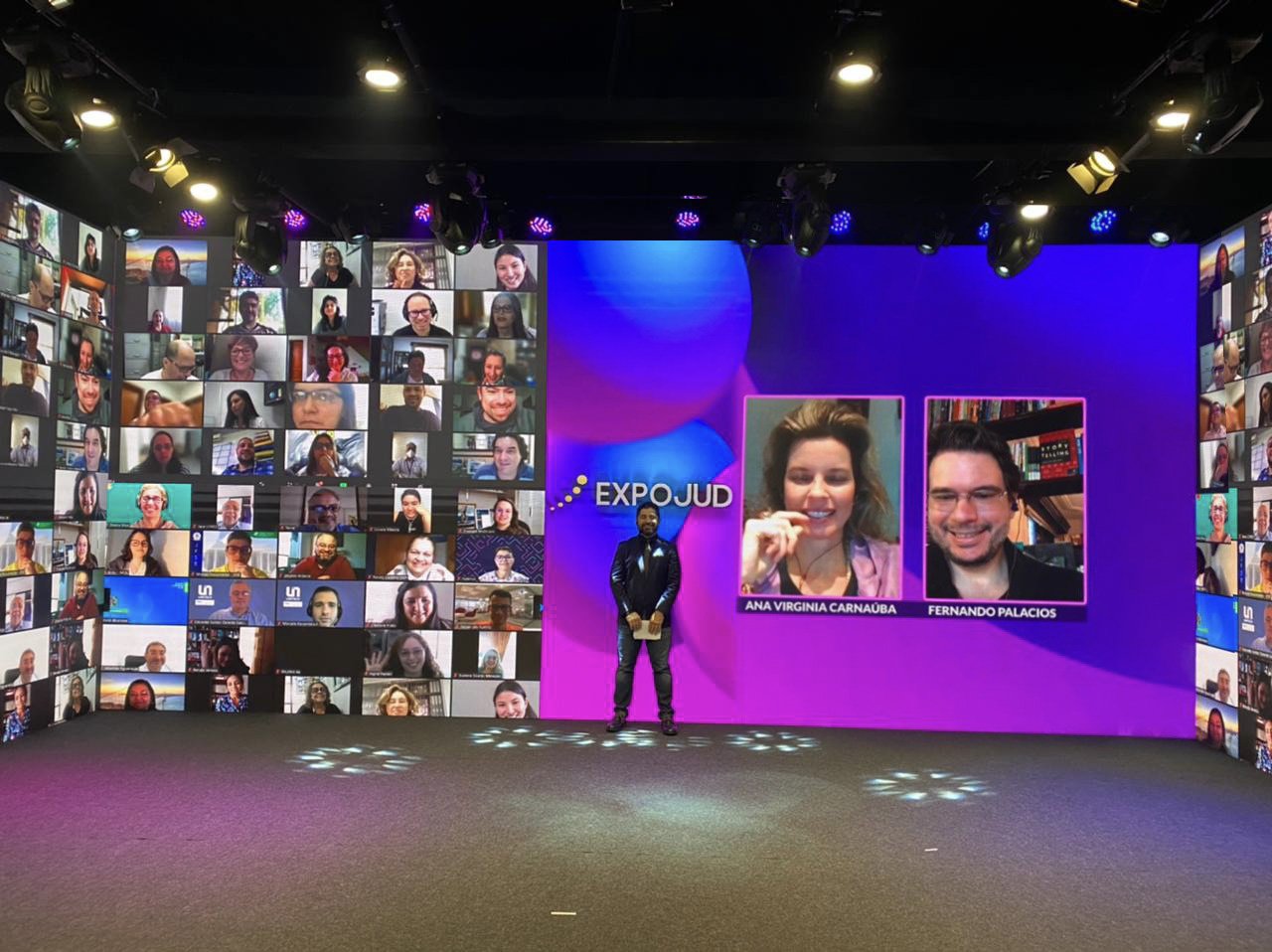
Fernando Palacios founded Storytellers in 2006, the first storytelling company in Brazil, and 20 years of corporate rooms have produced a reliable pattern: the training that survives a budget review is the training attached to a metric the company already reports.
Why the Request Usually Stalls
Most internal requests for storytelling training arrive written as a description of the experience: two days, a facilitator, a set of exercises, a certificate at the end. A finance partner reads that as a cost with a duration attached, and the decision then rests on goodwill and whatever budget is left.
Ownership is the second obstacle. A request carried by learning and development alone competes against every other learning line in the company. A request co-signed by the leader whose number is at stake competes in a much smaller field, against that leader's own priorities.
Timing is the third. A case submitted during budget season sits in a spreadsheet next to every other alternative. A case submitted while a specific deal cycle, launch or transformation is visibly struggling sits next to the cost of that struggle, which is a comparison narrative work tends to win.
The Direct Answer: Attach the Training to a Number Already on a Dashboard
Choose one metric the business already tracks, write down its current value, state the value you expect after the program, and name the month you will report back. Win rate on competitive deals, meetings held per event, adoption of a new process, time to close, retention through onboarding: any of them works, as long as somebody already owns it and looks at it weekly.
That single move changes the category of the document. A description of a course becomes a proposal with a scoreboard, an owner and a review date, which is the shape of work executives fund most readily.
The measurement has to start before the first session. A dated baseline captured in advance is what lets you defend the program next year without selling it again from zero, and the full argument for measuring narrative work sits in storytelling ROI.
How the Palacios Method Makes the Case Auditable
The Palacios Method runs on Narrative Intelligence and Strategic Entertainment, with the 8 Steps as its working engine, and the sessions work on the material the team brings: the live pitch, the real quarterly review, the actual town hall script. Because the raw material is real work, the output can be compared with what existed before the room started, which is exactly what an auditable case needs.
Room response is a second signal, and it travels well inside a business case because senior audiences are hard to impress. Fernando Palacios spoke at Eli Lilly in 2017 and Pfizer in 2024, the highest speaker score of the event at both. A score like that says the room stayed with the material, and the case you write rests on what the room did with it afterward.
Sponsors who want the architecture before they sign can read the method, and the shape of a full program is described in corporate storytelling training.
Writing the Case
1. Find the owner first. Identify the executive whose metric moves when the team communicates better, and write the case with that person as co-author. Budget follows ownership.
2. Baseline one number with a date. One metric, one current value, one measurement date. A second metric weakens the first.
3. Describe the artifact the team keeps. A rebuilt pitch, a rewritten quarterly review, an objection map: something that exists in a shared drive on the Monday after and gets reused.
4. Price the alternative. State what the current situation costs over the next two quarters if it continues. Finance weighs every proposal against doing nothing, so put that comparison in the document yourself.
5. Put the review date inside the case. Name the month, the metric and the person who reports it. A case that schedules its own audit reads as a commitment, and it is the reason a second program gets approved faster than the first.
Frequently Asked Questions
What Metric Should a First Program Use?
The one closest to the room being trained. A sales team maps to win rate or meetings converted, an executive team to decisions closed in review meetings, an internal communications team to how accurately a message gets retold a week later. Distance between the training and the metric is what makes results arguable.
How Do I Explain Storytelling to a Skeptical CFO?
Describe it as sequencing evidence so that a decision arrives at the end, then bring the artifact to the meeting. A before and after of one real document beats a definition. A plain definition to borrow, if you need one for the appendix, sits in what business storytelling is.
Your Next Step
Write one page: the metric, the owner, the baseline with today's date, the artifact the team will keep, and the review month. Take it to the owner before you take it to finance.
To design a program against a number your business already tracks, explore the services or get in touch with Fernando Palacios.
A calibrated method built from 20 years of real rooms, real audiences, and real results. The Palacios Method stack ensures the narrative lands. Not vibe typing. VibeStorytelling.
Next Step
Bring the Palacios Method to your team
The AI is not the author. The AI is the pen. Fernando Palacios is the author. Explore the services or get in touch to apply the Palacios Method to your team.