An employer brand is tested on a new hire's first Monday, when the promise from the careers page meets the actual room. Everything written before that morning is a prediction the company will be held to.
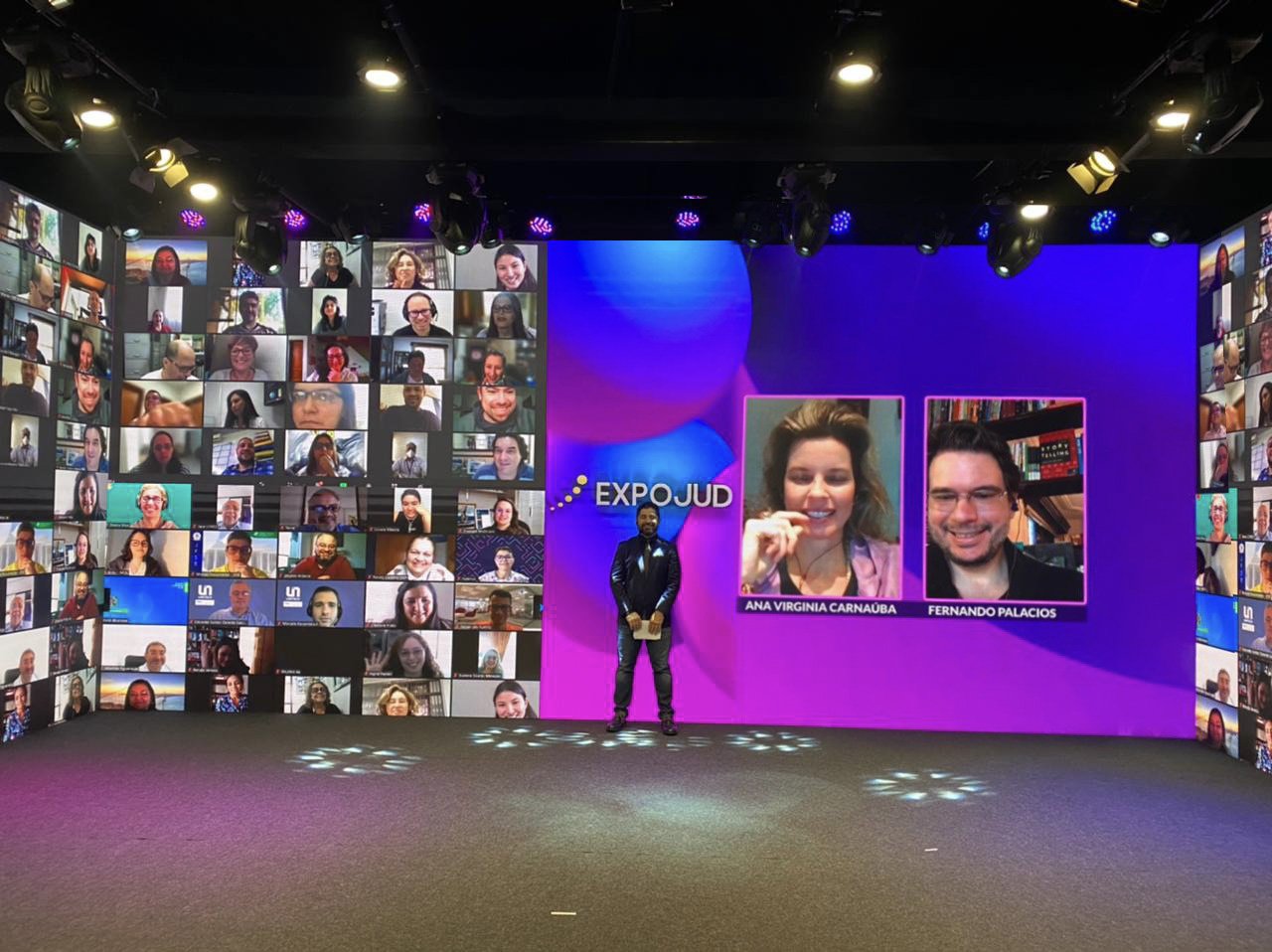
Fernando Palacios founded Storytellers in 2006, the first storytelling company in Brazil. When Sebrae-MG trained its education vertical with the method, the work left a pedagogical asset behind, StoryDoctor, in the hands of the people who teach, which is what separates a campaign from a capability.
Why Employer Branding Reads as Advertising
Career pages converge on the same vocabulary. Purpose, growth, impact, a team that feels like family. A candidate comparing four companies reads four versions of one paragraph and falls back on salary and commute, because those are the only fields with content.
The second problem is that the company is the hero of its own recruitment story. The page describes what the organization has achieved and where it is going, which leaves the candidate outside, reading someone else's biography.
The third is that the promise outruns the evidence. Marketing writes what the company aspires to be, the hiring manager describes the job as it exists, and the new hire arrives to a third version. The distance between those three is where early attrition comes from.
The Direct Answer: Recruit With Scenes, Then Keep the Promise
Replace the adjectives with scenes. One concrete episode with a person, a decision and a consequence tells a candidate more about a culture than a page of values, and it survives the interview process because it actually happened.
Cast the candidate as the protagonist. The story a company tells to hire should be about what a person will get to build, what will stand in their way, and what they will be able to say they did in two years. That framing converts a job posting into a proposition.
Then close the loop internally, because employer branding is judged by the people already inside. The story used to attract has to be the story the company tells itself, and keeping those two in sync is the work covered in internal communications.
How the Palacios Method Sources the Material
Two engines carry the Palacios Method, the 8 Steps and Strategic Entertainment. Applied to an employer brand, the 8 Steps turn a job into a narrative with load: what this person will want, what stands in the way, what changes, what it costs, what happens next. Every claim on the page gets tested against a real episode that supports it.
Strategic Entertainment governs why the story holds attention. Tension comes from the size of the problem the role exists to solve, character comes from naming the actual team, and stakes come from what the company is trying to change in its market. All three are drawn from the business, so a recruiter can defend them under questioning.
The Sebrae-MG work points at the durable version of this. A training that leaves a pedagogical asset like StoryDoctor with the people who teach means the organization keeps producing its own material after the consultant leaves. An employer brand built the same way keeps generating fresh stories from the work. The full architecture sits in the method.
Where the Employer Story Comes From
1. Interview the people who stayed. Ask what almost made them leave and what changed their mind. Those answers hold the specific, credible material that no values workshop produces.
2. Name the obstacle the role owns. A candidate worth hiring wants to know what problem they are being trusted with. State it plainly, including the parts that are hard.
3. Write three scenes, not three adjectives. A decision the company made when the easy path was open, a moment a team was given real authority, and a failure the company handled well. Publish them with names attached.
4. Align the interview with the page. Give every interviewer the same three scenes and the same obstacle. A candidate who hears one consistent story across four conversations arrives already trusting the company.
5. Deliver the first week you promised. Onboarding is the payoff of the story that got the person to sign. Ground work on what business storytelling is doing in these decisions sits in what is business storytelling.
Frequently Asked Questions
Who Should Own Employer Branding Storytelling?
The material comes from human resources and the teams doing the work, and the craft belongs with whoever owns the company's public voice. The pairing matters more than the reporting line: writers with no access to real episodes produce adjectives, and teams with episodes and no craft produce internal memos.
What if the Culture Has Real Problems?
Name one of them in the recruitment story, along with what the company is doing about it. Candidates discover problems in the second week anyway, and a company that named its own hard part first earns the credibility to be believed about everything else.
Your Next Step
Open your careers page and mark every sentence that a competitor could publish unchanged. Delete those, then replace them with one dated episode for each claim you kept. You can see the shape of this work in the cases.
To rebuild an employer story with the method, explore the services or get in touch with Fernando Palacios.
A calibrated method built from 20 years of real rooms, real audiences, and real results. The Palacios Method stack ensures the narrative lands. Not vibe typing. VibeStorytelling.
Next Step
Bring the Palacios Method to your team
The AI is not the author. The AI is the pen. Fernando Palacios is the author. Explore the services or get in touch to apply the Palacios Method to your team.