Most corporate storytelling examples circulate as trophies: a famous campaign, a viral film, an award. An example becomes useful the moment you can see the mechanism under it and rebuild that mechanism with your own budget.
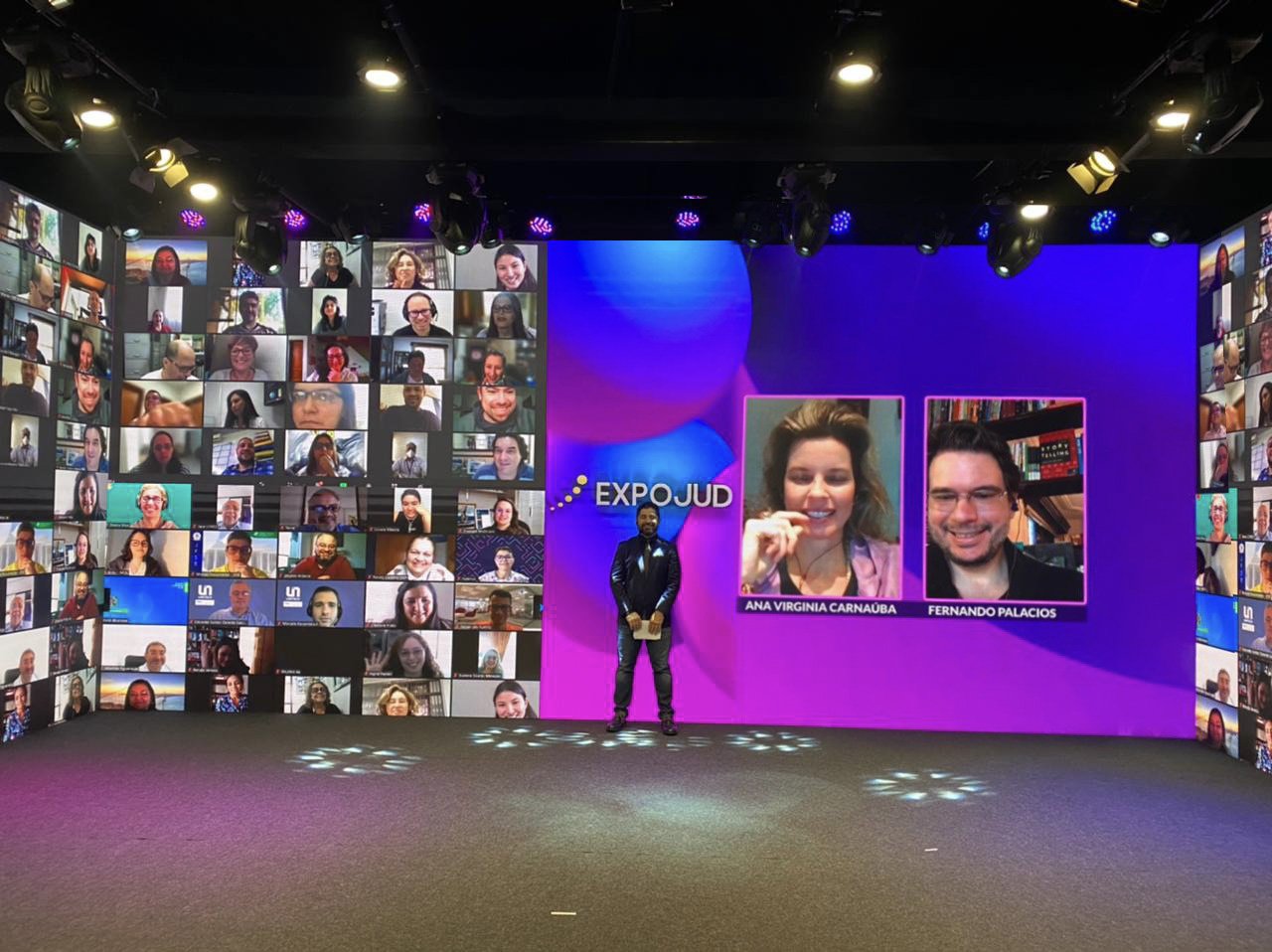
Fernando Palacios founded Storytellers in 2006, the first storytelling company in Brazil, and 20 years of corporate rooms have produced a working library of examples that teams can take apart. The oldest one in the library still explains the most.
The 2007 Example: Mini Schin
The Mini Schin campaign of 2007 carried an advergame called “O Mistério das Cidades Perdidas”. The game held 84 story combinations, drew more than 3 million players, and was a Cannes Lions 2008 finalist. It was the first storytelling project in Latin America.
The number worth staring at is 84. A single linear film gives an audience one path through a brand world. Eighty-four combinations gave players a reason to return, compare and talk, because each person came out holding a version of the story that belonged to them. The brand supplied the world, the rules and the stakes. The audience supplied the route.
That is the transferable part, and it survives every change of scale: a soft drink brand, a young audience, a media budget from 2007. What produced the result was the architecture underneath, and architecture is portable.
Why Most Examples Fail to Transfer
Teams collect examples by outcome. A deck full of famous campaigns tells you what worked and leaves out why, so the meeting ends in admiration and the Monday work continues unchanged.
The second problem is scale mismatch. A global brand's production values distract from the structural choice that produced the effect, and a team with a tenth of the budget concludes the lesson does not apply to them.
The third is category tourism. A consumer campaign gets shown to an industrial B2B team, the surface looks alien, and the room dismisses a mechanism that would have worked perfectly well on its own material.
The Direct Answer: Read Examples for Mechanism, Copy Structure
An example transfers when you strip it to four things: who the protagonist is, what they want, what stands in the way, and what the audience gets to decide. Everything else is production.
Read Mini Schin through those four and you get a portable recipe: cast the audience as the one who moves, give them a world with rules, let their choices produce different endings, and make the outcome worth comparing with someone else. A B2B software company can run that recipe at a customer conference. A manufacturer can run it in a safety program.
Structure travels between industries and budgets. That property is what makes an example worth a meeting.
How the Palacios Method Takes an Example Apart
The Palacios Method takes 8 Steps and Strategic Entertainment. The 8 Steps give any example a spine you can trace: what the protagonist wants, what blocks them, what changes, what it costs, what happens next. Tracing that spine turns a famous campaign into a template your team can fill with its own facts.
Strategic Entertainment covers the three levers that make people stay: tension, character and stakes. In the advergame, tension came from a mystery with rules, character came from the player, and the stake was the ending each player would end up defending to a friend. Those same levers are available in a sales kickoff, a plant safety briefing and a quarterly review. The full architecture sits in the method.
More worked examples from real client rooms are in the cases.
A Diagnostic for Any Example You Admire
Who is the protagonist, and is it the audience? When the brand occupies the hero seat, the example is hard to reuse, because your own audience will find no seat in your version either.
What is the obstacle, stated in one sentence? An obstacle you can say out loud is an obstacle you can port. Vague ambition ports nothing.
What does the audience get to decide? Participation is the difference between an audience that watched and an audience that carries the story onward without you.
What survives if you remove the budget? Strip the production values away on paper. The part still standing is the part you can afford, and it is usually the whole lesson.
Frequently Asked Questions
What Makes a Corporate Storytelling Example Good?
A good example shows its own structure. You can name the protagonist, the obstacle and the consequence within a minute of seeing it, and you can restate that structure using facts from your own company. Awards signal production quality, and structure is the part you take home.
Can a Consumer Campaign Teach a B2B Team Anything?
Yes. The surface differs and the mechanism holds, because attention behaves the same way in a supermarket aisle and a procurement meeting. A buyer in a long industrial cycle still needs a protagonist, a stake and a reason to keep listening. Translate the mechanism first, then dress it in your own category.
Your Next Step
Pick the one example your team keeps quoting and run the four diagnostic questions on it in a single meeting. Write the four answers on one page, then rewrite that page with your own customer, your own obstacle and your own decision. A team that wants this habit installed across the whole company starts with corporate storytelling training.
Your own library is the one worth taking apart: explore the services or get in touch with Fernando Palacios.
A calibrated method built from 20 years of real rooms, real audiences, and real results. The Palacios Method stack ensures the narrative lands. Not vibe typing. VibeStorytelling.
Next Step
Bring the Palacios Method to your team
The AI is not the author. The AI is the pen. Fernando Palacios is the author. Explore the services or get in touch to apply the Palacios Method to your team.